

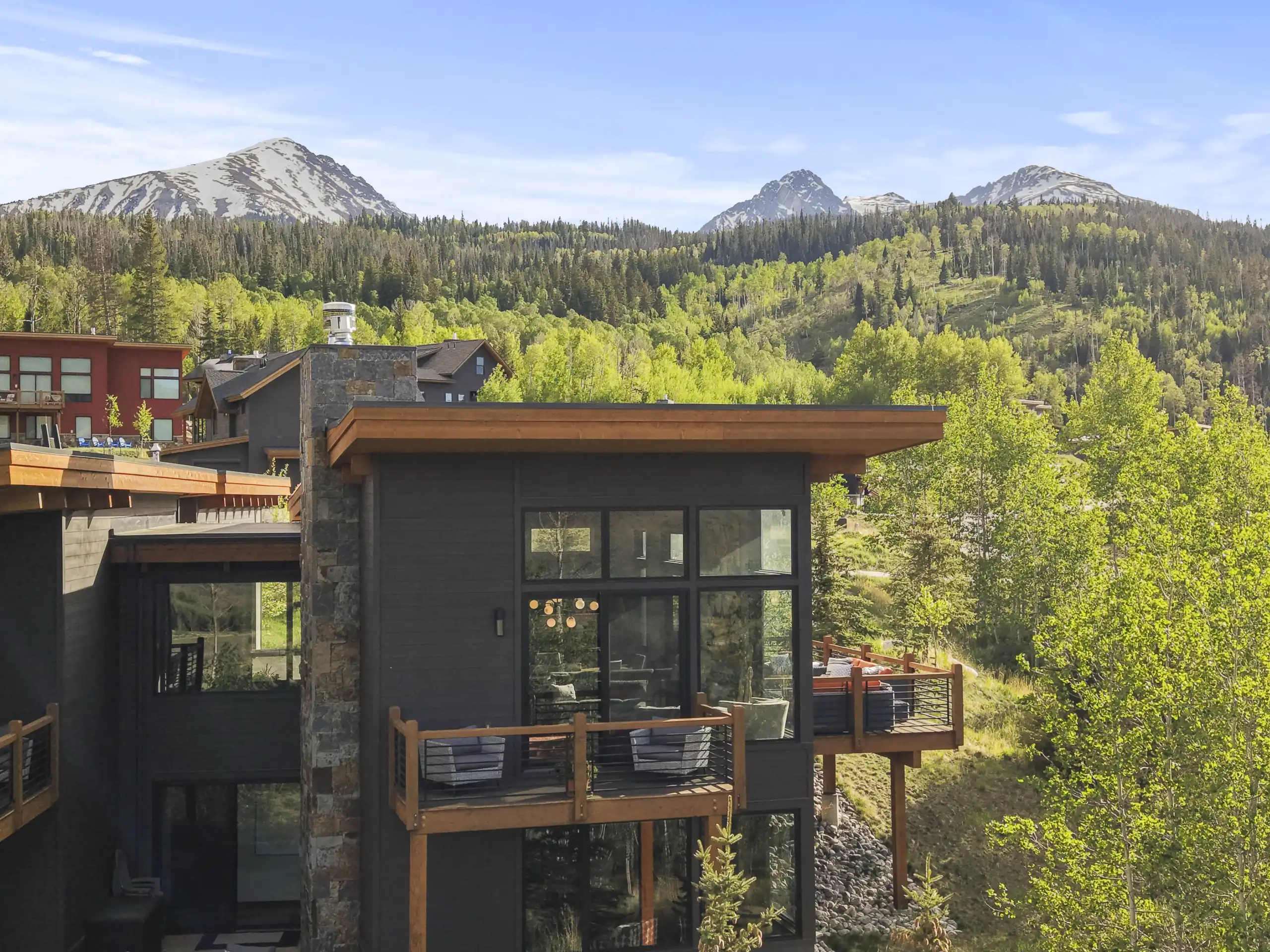
Your home’s value depends on more than the county-wide “market,” it depends on your specific neighborhood, your specific street, and what’s happened with comparable sales in the last 90 days, not the last year. If your agent is quoting you a number based on general Colorado trends instead of Summit County micro-market data, that number isn’t reliable.
Why Doesn’t a Countywide Market Report Tell You Much?
Summit County isn’t one market. A home in Shock Hill with ski-in/ski-out access to Peak 8 moves on entirely different dynamics than a home in Angler Mountain Ranch, and both move differently than something in-town in Frisco near Lake Dillon. When sellers ask me what their home is worth, the honest answer starts with “which neighborhood, which exact location within it, and what’s actually closed nearby recently,” not a countywide average pulled from a generic report.
I’ve seen sellers get a number from an online estimator or a broad market summary and be off by a meaningful margin in either direction, simply because those tools can’t account for ski access, lot privacy, view corridors, or the specific finish level of a renovation.
What Actually Moves Your Number?
A few things matter more than people expect. Proximity to lift access or ski-in/ski-out status is usually the single biggest driver in the higher price tiers. Short-term rental eligibility, or the lack of it, can shift value significantly depending on the neighborhood’s current regulations. Lot privacy and view quality matter more here than in most markets, since so much of what people are paying for is the feeling of being away from it all. And timing within the season matters too: listing right before ski season versus right after spring runoff can change both your timeline and your final number.
Is Now a Good Time, or Should I Wait?
That depends less on the calendar and more on your specific situation. If you’re a longtime second-home owner whose kids are grown and you’re not using the property the way you used to, waiting doesn’t usually gain you much beyond continued carrying costs. If you’re evaluating an investment property against the broader market, timing matters more, and that’s a conversation worth having with actual data on how comparable properties have performed, not a gut feeling about “the market.” And if you’re handling an estate or inherited property, the right timing is usually driven by the family’s situation more than the market anyway.
What I won’t do is tell you the market is hot when it isn’t, or push you to list before you’re ready just to get a listing agreement signed. You’ve likely been watching Summit County for years. You’ll know if I’m giving you a straight answer.
How Do You Actually Price It Right?
Accurate pricing starts with true comparables, not just “similar square footage in the county,” but homes in your actual micro-market with similar access, privacy, and condition, sold recently enough to reflect current conditions. I walk every listing in person before I price it, because photos and square footage don’t tell you what a buyer will feel standing in the primary suite or looking out from the deck.
Overpricing to “leave room to negotiate” almost always backfires here. Serious buyers in this price range know the market well, and a home that sits too long at the wrong number starts raising questions instead of interest.
What Should You Do Next?
Honestly, the best first step is just a real conversation, not a canned valuation. I’ll walk your property, pull the actual comparable sales for your specific neighborhood, and give you a straightforward, data-grounded number along with a sense of what buyers in this price range are looking for right now. No hype, no pressure to list before you’re ready.
If you’re wondering what your Summit County home is worth, I’d genuinely like to come take a look and talk it through with you.
Karen Seitz, Compass | My Summit Collective | mysummitcollective.com | (406) 570-3823
Social Cookies
Social Cookies are used to enable you to share pages and content you find interesting throughout the website through third-party social networking or other websites (including, potentially for advertising purposes related to social networking).