

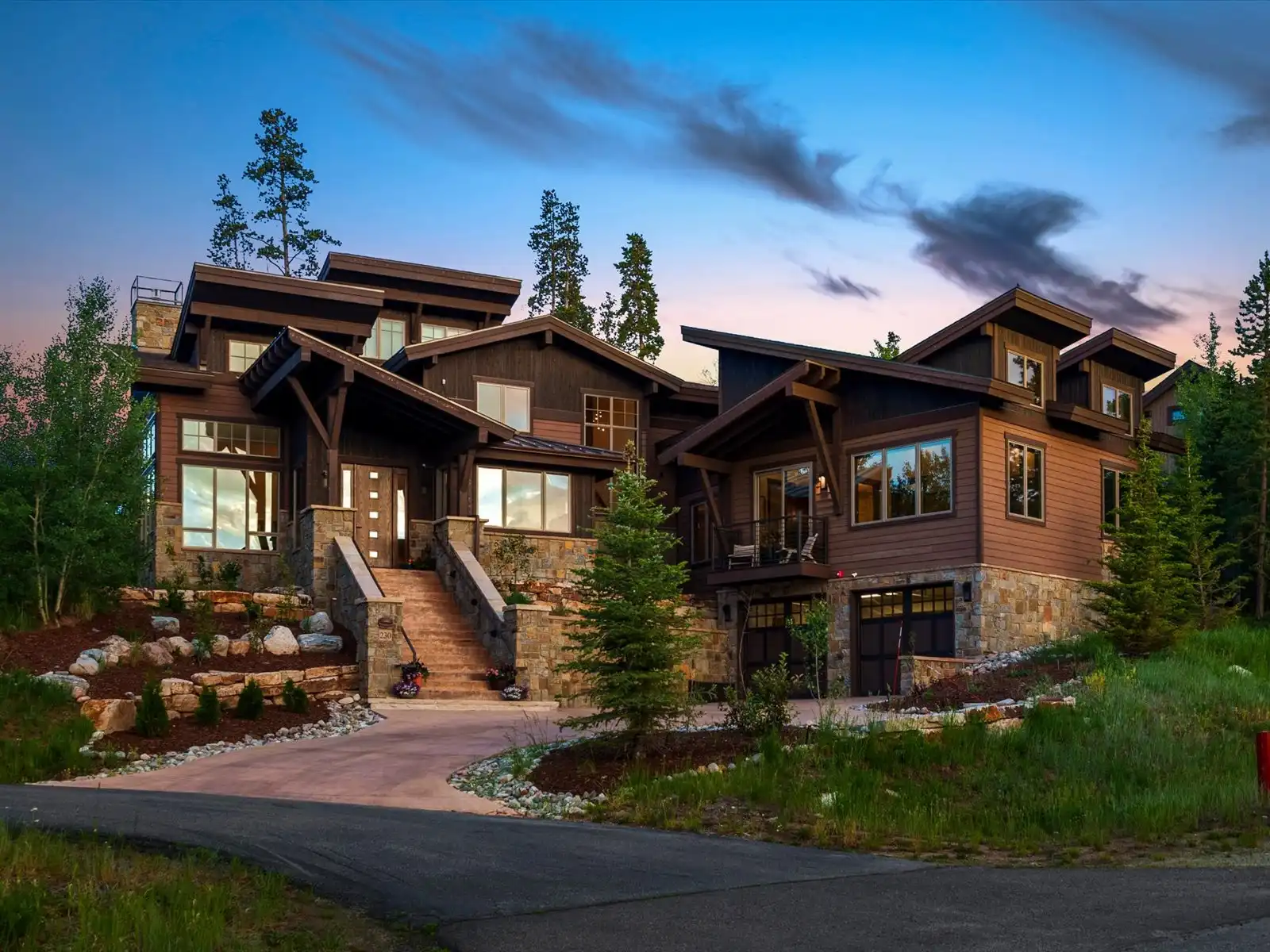
Start with how your family will actually use the home, then work through financing, HOA and rental rules, inspections, and closing in that order. Buyers from Atlanta, Charlotte, Raleigh, and Nashville can do all of it from a distance, and the process is more manageable than most people expect when it’s done in the right sequence.
Why Do So Many Southern Families Look at Summit County?
The question I hear isn’t “will this appreciate?” It’s “will my grandchildren remember summers here?” That’s a legacy question, and it changes how you shop. You’re not looking for the cleverest deal. You’re looking for a place where three generations can be in the same house without anyone feeling crowded, and where the traditions have room to grow.
Summer here runs low-to-mid 70s and dry, which feels like a gift after July in the Southeast. Most of the big Southern cities have nonstop flights into Denver, and from there it’s a straightforward drive up I-70. Fall brings aspens turning gold across the Ten Mile Range, and winter brings snow your grandchildren will talk about for years.
What Are the Steps, in Order?
1. Decide how you’ll use it. Family gatherings only, a mix of family and rental income, or an eventual retirement base? This answer shapes the size, the town, and the building.
2. Talk to a lender early. Second-home and investment-property loans are underwritten differently, and the rate and down payment can change depending on how you plan to use the home. Get numbers on both before you tour.
3. Choose a town that matches your family. Breckenridge offers a walkable Main Street. Silverthorne has more space and established neighborhoods like Eagles Nest and Angler Mountain Ranch. Frisco sits on Lake Dillon, and Keystone is built around families. At $1.5M to $3M, you have real options in each.
4. Read the HOA documents before you fall in love. Dues, reserves, special assessments, and rental restrictions vary widely. These documents tell you as much as the floor plan.
5. Confirm short-term rental rules in writing. If rental income matters, check the building’s rules and the licensing requirements for the town or county before you write an offer. Don’t assume a similar unit nearby has the same rules.
6. Get a thorough inspection. In the mountains that includes the roof and snow load, the heating system, and radon testing, which is standard practice in Colorado.
7. Plan for closing at a distance. Much of the closing process can be handled remotely with electronic signatures, and I coordinate with title and lenders so you aren’t flying out for paperwork.
What Will Surprise You About Mountain Ownership?
Mostly the practical details. Winters are long, and a mountain home needs a plan when you’re not in it: snow removal, someone to check on the property after storms, and a clear winterization routine. Insurance looks different from what you know at home, with snow load, freeze protection, and wildfire mitigation instead of wind and flood, so get real quotes early.
You may also be surprised by how quickly the house becomes part of the family calendar. Thanksgiving here, a cousins’ week in July, a long weekend in October when the crowds are gone. The buyers who use their homes most tend to be the ones who planned for it from the start.
How Do You Make It Work for Several Generations?
Think about bedrooms and bathrooms first, then about places to be apart. A big table matters, but so does a quiet corner for a grandparent who wants an early night, or a deck for the adults after the kids are asleep. Silverthorne’s larger lots appeal to families who want room to spread out. A walkable in-town Breckenridge home suits families who prefer dinners out and an easy stroll after.
It’s also worth discussing ownership structure early. Many families buy through a trust or LLC to simplify passing the home along. I’m not an attorney, so talk with yours and your CPA before you make an offer.
What Does It Cost to Own, Beyond the Price?
Plan for HOA dues, property taxes, insurance, utilities, maintenance, and property management if you want someone looking after the house. Ask for the actual tax and dues figures for each address, because they vary a great deal from one building or neighborhood to the next. Mountain homes also work harder in winter, so a maintenance reserve is a wise line in the budget. I’d rather you see the full picture before you make an offer than discover it afterward.
What Should You Do First?
Visit in more than one season if you can. Summer will show you the Blue River and the patio dinners. Fall will show you how quiet and golden the county gets once the crowds thin. Winter will show you why people come back. Then we can talk honestly about what your family wants the next thirty years of gatherings to look like.
If you’d like help sorting through the steps, I’m glad to walk you through it. It’s an easy, no-pressure conversation, and you’ll get straight answers.
Karen Seitz, Compass | My Summit Collective | mysummitcollective.com | (406) 570-3823
Social Cookies
Social Cookies are used to enable you to share pages and content you find interesting throughout the website through third-party social networking or other websites (including, potentially for advertising purposes related to social networking).